

Just as cultural context shapes how people position themselves in the world and how others perceive them, the language spoken in each country and its nuances have a direct connection to how a person positions themselves and how they are perceived by others.
According to a study published on the Preply blog, 59% of respondents say they access different aspects of their personalities depending on the language they are speaking.
This statement was obtained through a survey of 3,608 people from various countries, whose objective was to understand the impact that different languages have on emotions.
Speaking of emotional responses, the main conclusions of the Preply study show that French is considered the most romantic and elegant language, followed by Italian.
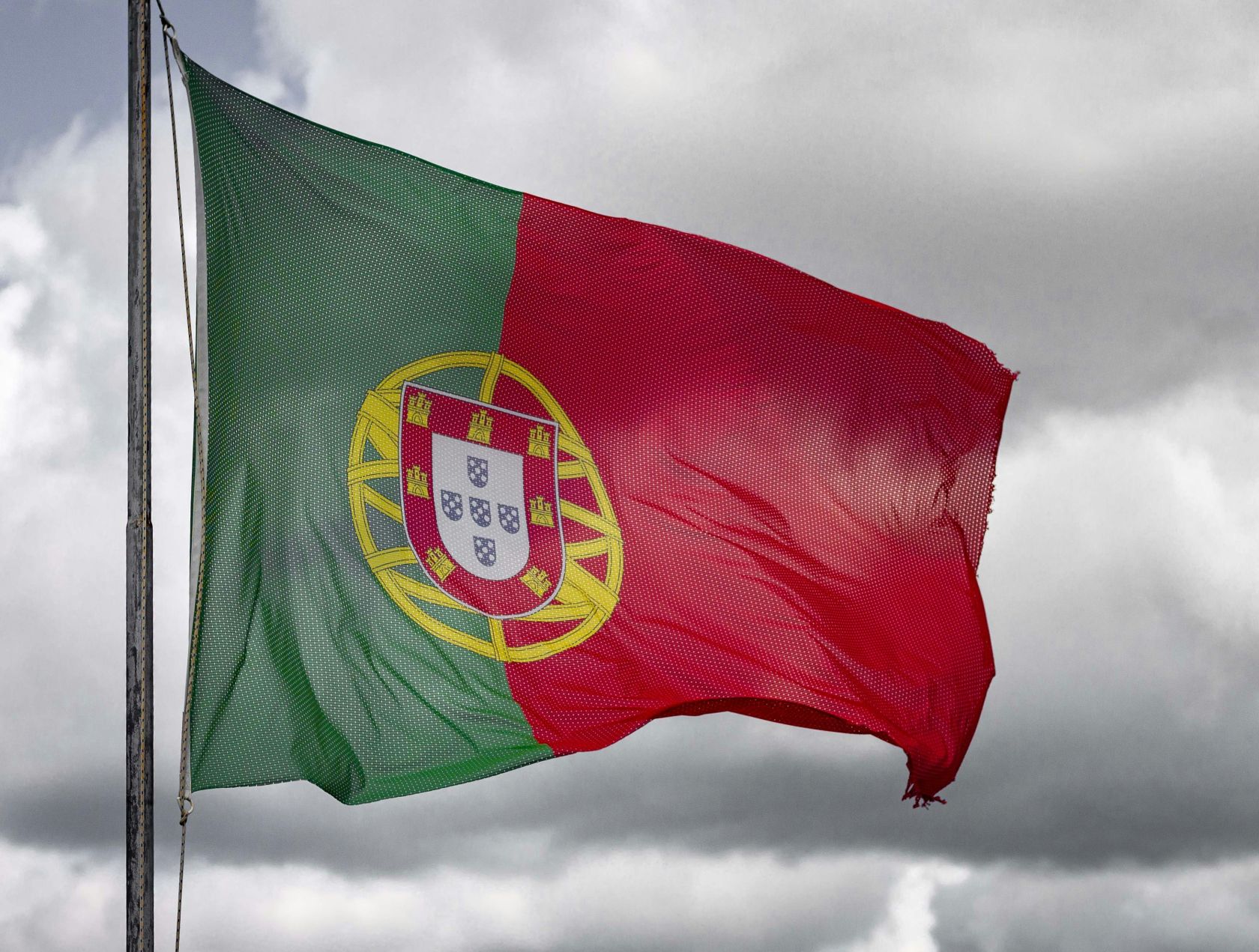
Portuguese is the friendliest language, followed by Spanish. German was considered the harshest language on the list, but also the most powerful.
Francisco Rivera, Psychologist and Clinical Manager at Unobravo, explains that “humans naturally attribute emotion to sound. When we hear a language with fluid rhythms or open vowels, we often interpret it as warmer or more affectionate. Cultural stereotypes then amplify these perceptions, making some languages feel romantic or elegant long before we learn what the words mean.”
The study concluded that the different perceptions of each language at an emotional level depend not only on the cultural context in which it is embedded, but also on the cultural context of the various countries participating in the research.
This means the sample does not represent a universal consensus, but it gives readers an idea of how language and emotion connect.








 English
 Nederlands
 Deutsch
 Français
 Español
 Italiano
 Svenska
 Pусский
 中文
中文 Türkçe
 Português
 Polski
 عربي
عربي Suomi
Suomi עִברִית
 Português (Brasil)
I disagree. German is very dulcet sounding. For me, Danish is the worst in terms of harsh sounds., except for those who speak in the Bornholm dialect. Otherwise, Copenhagen Danish sounds like a machine gun rattle, completely choppy. Sorry Danes, don't mean to offend but that is what you sound like to an American's ears.
By Tony from USA on 09 Feb 2026, 23:41
Nonsense.
Portuguese is needlessly complicated.
By Mark from Lisbon on 10 Feb 2026, 09:50
"....Portuguese is needlessly complicated..." This comes from an American that exists for what? 250 years? As a nation we are the oldest one in Europe. We speak complicated? And we use different words for different things, not like your limited vocabulary...
By Guido Moura from Other on 13 Feb 2026, 21:46