

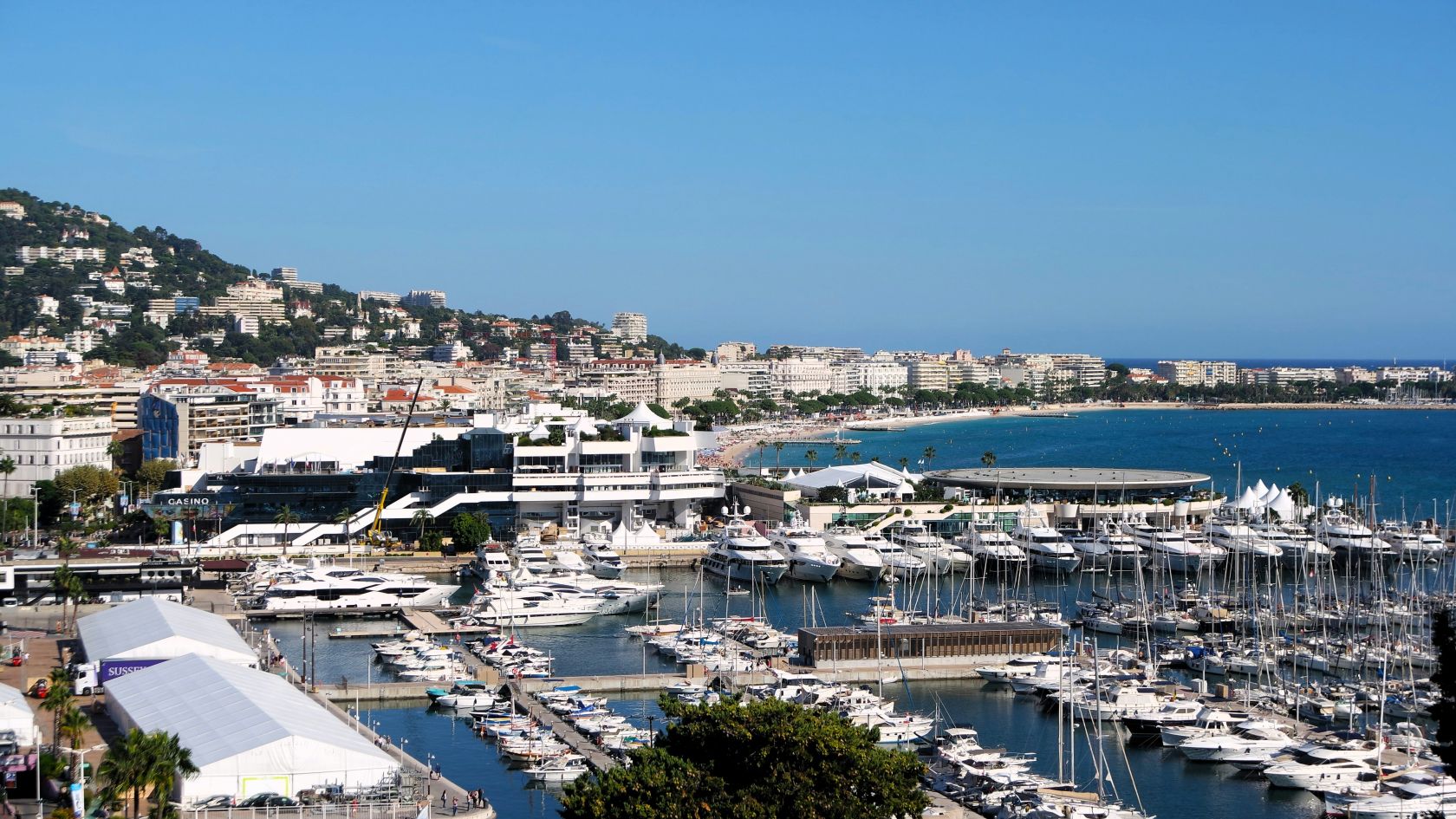
Every year developers, investors, fund managers, city representatives and advisors gather in Cannes to discuss the future of cities, capital flows and infrastructure. This year, however, one theme appeared again and again in the discussions, panels and private conversations I attended. Real estate is no longer only about buildings. It is increasingly about energy, infrastructure and resilience. During the sessions I followed, including Decarbonising Occupied Buildings: Practical Pathways and both parts of The Logistics Forum, the conversation moved clearly beyond traditional sustainability narratives. The focus shifted toward pragmatic solutions that create real value for assets and investors while supporting the energy transition that Europe and the world urgently need.
One of the most interesting perspectives came from discussions around logistics real estate. Logistics assets have traditionally been viewed simply as warehouses or distribution facilities, but the industry is beginning to see them differently. As Dr Thomas Steinmüller explained during one of the forums, logistics assets have the potential to become combined powerhouses. They can produce energy, store energy and support electrified transport systems while continuing to perform their primary logistics function. This idea reflects a broader challenge we all face. Across Europe we are competing for the same limited resource, which is land. Renewable energy developers need land for solar parks. Residential developers need land for housing. Industry needs land for production facilities. Logistics operators need land for distribution hubs. Yet millions of square metres of rooftop space already exist on logistics buildings across Europe and remain largely unused. At the same time, the subsurface below many of these assets could potentially support energy storage infrastructure in the future. When these elements are combined, logistics facilities can evolve from simple warehouses into energy producing infrastructure integrated into the urban and industrial ecosystem.
During MIPIM I had the opportunity to exchange ideas on this topic with several industry leaders including Guy Gueirard from JLL, Hubert Michalak from Hillwood, Wincel Kaufmann, Dr Thomas Steinmüller and Diana Diziain. What became clear in these conversations is that the sector is moving toward a more pragmatic understanding of sustainability. Investors are no longer satisfied with labels or certifications alone. They are increasingly interested in solutions that improve operational efficiency, create new revenue streams and strengthen long term asset value. Energy infrastructure integrated into logistics assets does exactly that. To illustrate the scale of the opportunity I made a simple calculation based on the logistics portfolios of the three sponsors of the Logistics Forum which were JLL, Hillwood and Swiss Life Asset Managers. Together these three organisations represent roughly twenty nine million square metres of logistics roof surface. Using a conservative rule of thumb often applied in rooftop solar projects, which assumes that ten thousand square metres of roof can support approximately one megawatt of solar capacity, the combined rooftop potential becomes significant.
Swiss Life Asset Managers could theoretically support around 1.15 gigawatts of rooftop solar capacity across its logistics assets. JLL managed assets represent a similar magnitude of approximately 1.15 gigawatts. Hillwood’s logistics portfolio adds roughly another 0.6 gigawatts. Combined, these three portfolios alone could theoretically support around 2.9 gigawatts of rooftop solar capacity. In energy production terms this could generate roughly three to three and a half terawatt hours of electricity per year in Europe. That amount of clean electricity would be sufficient to power between seven hundred thousand and one million households annually. And this calculation only considers three industry players. If we extend this analysis to the largest logistics property owners in Europe the potential becomes even more remarkable. Prologis Europe alone manages around twenty three million square metres of logistics space which translates into approximately 2.3 gigawatts of rooftop solar potential. Logicor follows with around nineteen million square metres corresponding to about 1.9 gigawatts. CTP’s portfolio of around fourteen point six million square metres represents approximately 1.46 gigawatts. SEGRO with ten point nine million square metres could support around 1.09 gigawatts. GLP Europe adds roughly 1.02 gigawatts and WDP contributes another 0.87 gigawatts. Combined these six companies represent more than eighty six million square metres of logistics space and roughly 8.65 gigawatts of theoretical rooftop solar potential.
Naturally these numbers represent theoretical capacity. Real installations are usually slightly lower due to skylights, rooftop equipment, fire corridors, structural constraints and orientation. However even if only part of this potential were implemented the impact would be enormous. More importantly the economics already make sense. One of the biggest misconceptions surrounding renewable energy integration in real estate is that it represents an additional cost burden for developers and investors. In reality the opposite is increasingly true. Logistics asset owners can lease their roof surfaces to renewable energy operators such as Greenvolt, creating an additional revenue stream without operational complexity. At the same time tenants gain access to locally produced green electricity at lower costs, which improves the competitiveness of the building and strengthens tenant retention. Lower operational energy costs, additional income from rooftop leasing and stronger sustainability credentials all contribute to improving the return on investment of the asset. The technical solutions already exist and they do not require sacrificing profitability. They enhance it.
During one of my conversations at MIPIM I asked Wincel Kaufmann a simple question. Why are we waiting for the bird sitting in the tree to decide when it wants to fly. We already know that energy and sustainability are essential for our future. They are both life savers and global savers because we all share the same planet. The logistics sector is uniquely positioned to contribute to this transition because the infrastructure already exists. The rooftops are there, the technology is available and the economic model works. Perhaps the real challenge is not technological or financial but simply a matter of mindset. The opportunity is already above our heads. Now it is time for the sector to spread its wings and start flying.








 English
 Nederlands
 Deutsch
 Français
 Español
 Italiano
 Svenska
 Pусский
 中文
中文 Türkçe
 Português
 Polski
 عربي
عربي Suomi
Suomi עִברִית
 Português (Brasil)