

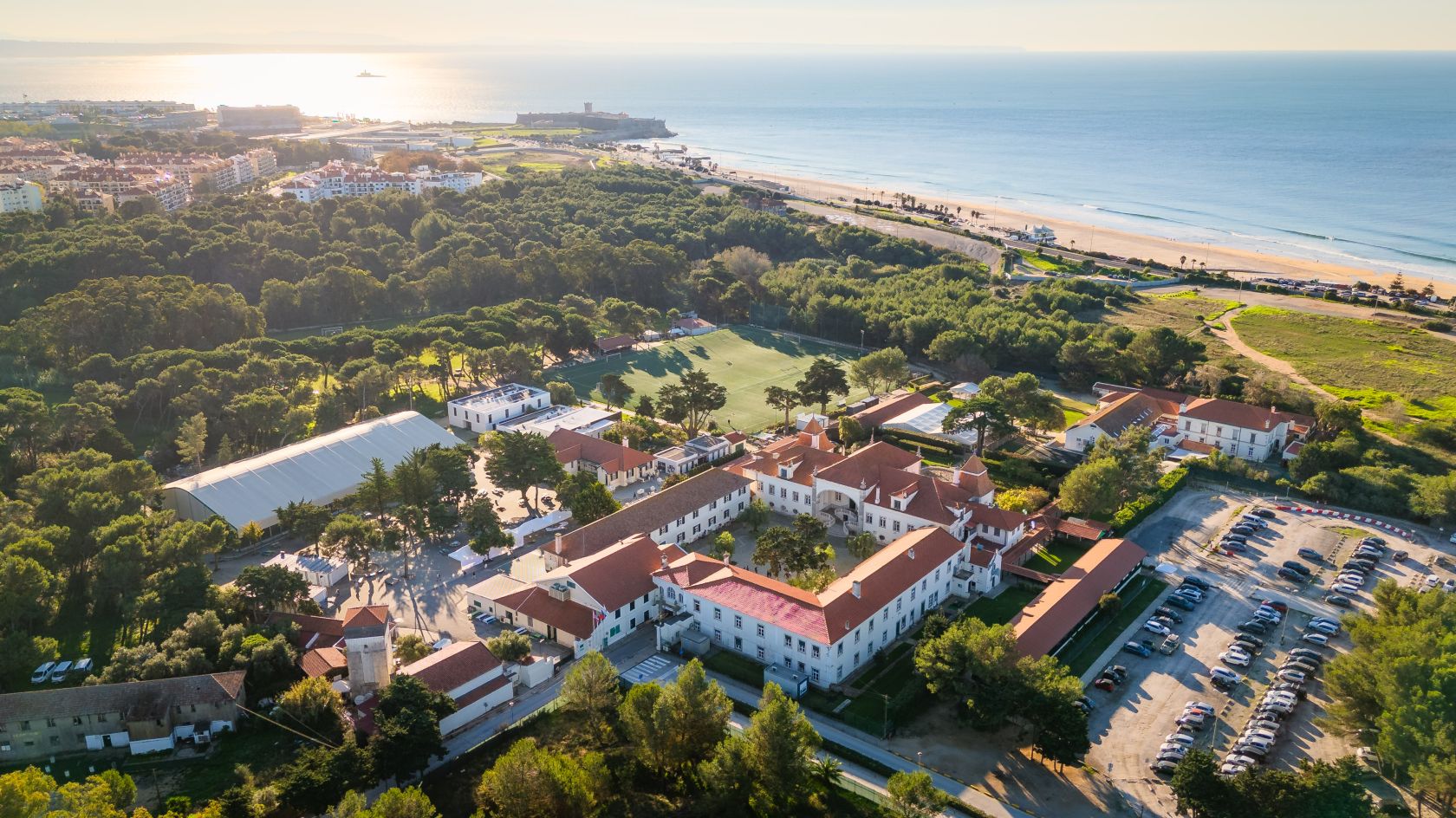
St. Julian’s School has once again been recognised among the world’s leading private schools, maintaining its position in the European Top 10 and remaining the only Portuguese institution featured in the global Top 100 of the Spear’s Schools Index.
The annual ranking, compiled by an independent panel of international education experts, evaluates schools on a range of criteria, including academic performance, educational offering, environment and cultural impact. Designed primarily to guide internationally mobile families, the index reflects a broader view of education beyond exam results alone.
Ranking shaped by more than results
For St. Julian’s, the recognition marks the fourth consecutive year in the European Top 10, reinforcing what Head of School Paul Morgan describes as the result of sustained effort rather than any single defining factor.
“Four years in the top 10 is pleasing, but what it really reflects is the consistency of that hard work,” he said. “Good results do not happen by accident. They come from teachers who know their subjects deeply, from students who are well looked after, and from a school that takes both of those things seriously.”
Morgan is also cautious about placing too much weight on rankings themselves, noting that while they carry credibility, they inevitably involve subjective judgment. What matters more, he suggests, is the consistency of performance across multiple areas.
A model built on balance
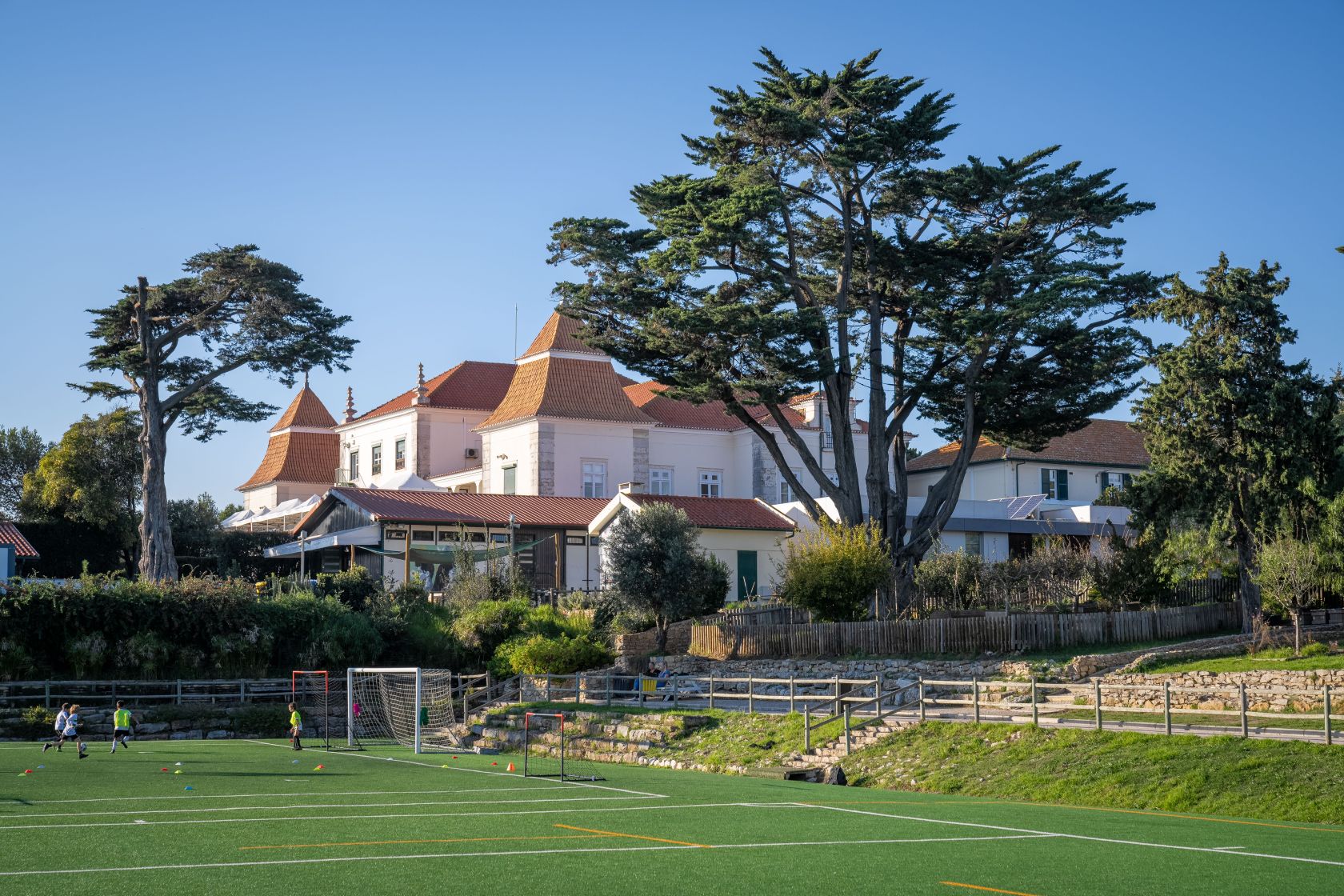
Founded in 1932, the Carcavelos-based school has built its reputation on a model that combines academic rigour with a broad educational experience. Alongside its British international curriculum, which leads to IGCSEs and the International Baccalaureate, the school offers a strong emphasis on sport, the arts and community engagement.
Morgan points to this balance as central to the school’s continued recognition. “We have to be strong across all areas,” he said. “Academic results matter, but so does the environment, the opportunities we offer students, and the sense of community.”
Set within grounds that include an 18th-century palace, woodland and sea views, the physical setting forms part of that experience. But Morgan emphasises that it is the combination of factors, rather than any individual element, that sustains the school’s position.
An international school rooted in Portugal
The school’s international character also plays a key role. With more than 1,200 students representing over 60 nationalities, St. Julian’s reflects a diverse and globally connected community, while maintaining strong ties to the country.
Over half of its students are Portuguese, and the school has developed structures to integrate both local and international educational pathways. Its bilingual programme allows students to follow the Portuguese National Curriculum alongside a British international framework, before progressing to the IB.
“That’s not a token gesture,” Morgan said. “It’s a structural commitment. We are part of the Portuguese landscape, not apart from it.”
As a not-for-profit institution, the school reinvests all revenue into its educational offering, from staffing to facilities. However, Morgan acknowledges the realities of private education.
“We are a fee-paying school, and that is a reality,” he said. “But we also offer scholarships for families who would not otherwise have access, and we work hard to ensure we remain connected to the wider educational community.”
That connection extends beyond the classroom. Students are encouraged to participate in community engagement programmes, and the school maintains links with Portuguese educational organisations and events.
Preparing students for a global future
For many families, the school’s global outlook is reflected in where its students go after graduation. Alumni progress to universities across Portugal, the United Kingdom, the United States and Europe, including institutions such as Oxford, Cambridge and Imperial College London.
But Morgan suggests that outcomes are not measured solely by destinations.
“What matters is how they perform when they get there,” he said. “They leave with independence, resilience and the ability to take responsibility. Those are the qualities universities and employers are looking for.”
Looking ahead, Morgan identifies several challenges facing international schools, including the recruitment and retention of high-quality teachers, the impact of artificial intelligence on learning and assessment, and balancing rising expectations from parents with institutional values.
“The risk with rankings is that they can distort priorities,” he said. “You can end up optimising for position rather than for education. For us, the ranking should be a by-product of doing things well, not the goal itself.”
In that sense, the continued recognition of St. Julian’s School reflects less a moment of achievement and more an ongoing process. While the Spear’s Schools Index places it among the world’s leading institutions, the school’s leadership points to consistency, community and a broad educational vision as the foundations behind that position.
As Morgan puts it, “When the goal becomes the ranking, you’ve already started to lose something important.” It is a philosophy that continues to shape how St. Julian’s School defines success beyond its place in any global index, with rankings reflecting that approach rather than defining it.








 English
 Nederlands
 Deutsch
 Français
 Español
 Italiano
 Svenska
 Pусский
 中文
中文 Türkçe
 Português
 Polski
 عربي
عربي Suomi
Suomi עִברִית
 Português (Brasil)