

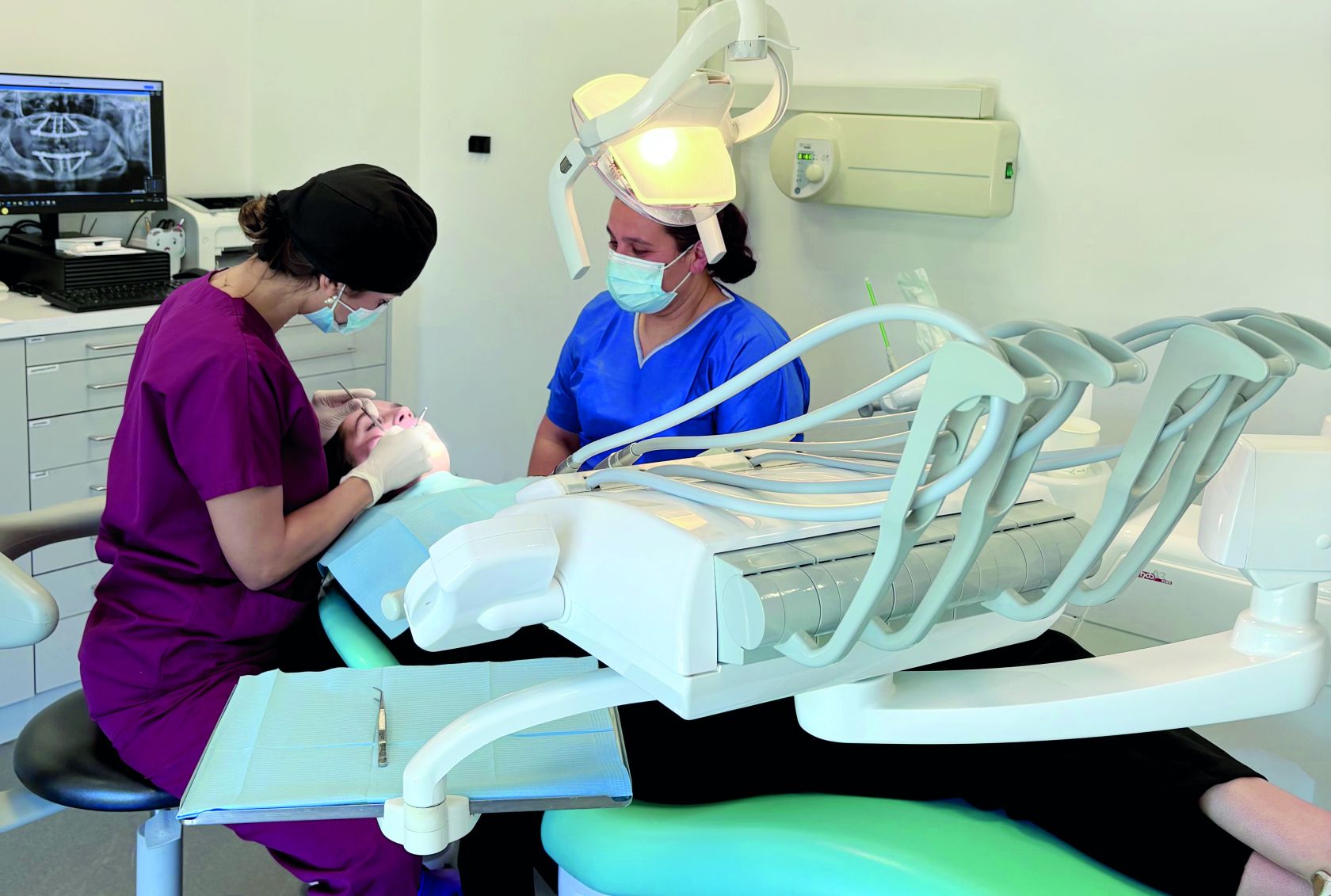
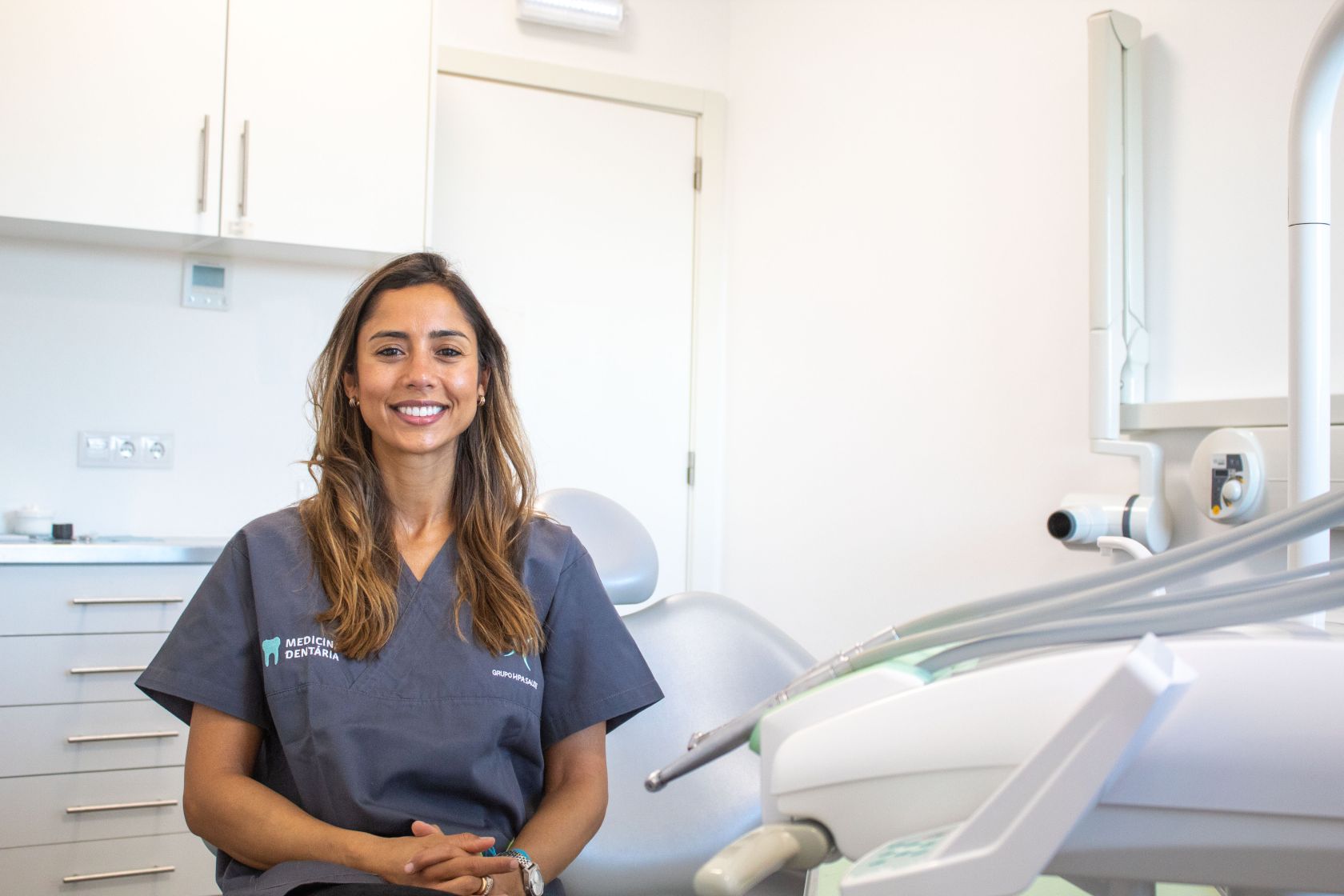
For Dr Catarina Monteiro, dentist and current Clinical Director of the HPA Saúde Group’s dental units in Vilamoura and Alvor, oral health is literally the gateway to the body’s systemic health. With a career deeply linked to the surgical and hospital field, the specialist advocates an integrative vision shared by the HPA Saúde Group: ‘We must always integrate the mouth as an integral part of the body, and we cannot divide the areas. Our goal is to provide our patients with an improvement in their quality of life.”
The Evolution of Dentistry: From Aesthetics to Function
Although Portugal has seen improvements in the information available about Oral Health, Dr Catarina Monteiro warns that there is still a long way to go in democratising advanced treatments. ‘Science is evolving very quickly, and at HPA Saúde Group we follow advanced clinical protocols that reflect these developments,’ she explains, noting that in many cases the broader healthcare system still prioritises removable prostheses over implantology when defining treatment options.
We should view implant-supported oral rehabilitation not as a luxury, but as the most appropriate and effective way to restore function when a tooth is missing, allowing patients to regain both oral function and self-esteem.
Integrative Medicine: The Mouth as a Mirror of the Body
One of the strategic pillars of the HPA Saúde Group’s hospital model is to break down the traditional isolation of dentistry from other medical specialities. This integrative approach is particularly evident in the management of complex conditions such as diabetes mellitus, oncological diseases, cardiovascular conditions and autoimmune disorders.
Dr Catarina Monteiro explains that patients with poor glycaemic control may sometimes have an underlying oral health problem, as severe gum inflammation - periodontitis - can directly affect the health of diabetic patients. For this reason, close collaboration between dentists and endocrinologists is essential to ensure that the mouth does not become a source of systemic inflammation.
This multidisciplinary coordination is even more critical in oncology care. According to the specialist, one of the most rewarding aspects of hospital dentistry is working alongside other medical teams to support patients throughout their treatment journey. Patients diagnosed with cancer are therefore advised to undergo an oral health and rehabilitation consultation before starting treatments such as chemotherapy or radiotherapy.
This protocol helps ensure that there are no active oral infections that could compromise the success of oncological treatment and prepares patients for potential side effects, such as xerostomia (dry mouth). Dr Catarina Monteiro notes that when patients experience oral discomfort or pain, they may have difficulty eating, which can make their bodies more vulnerable as they become immunologically weakened and potentially malnourished.
Hospital dental consultations can also play an important diagnostic role, as early signs of autoimmune diseases or cardiovascular risks are sometimes identified during the clinical assessment.
For Dr Catarina Monteiro, dentists have a responsibility to view the mouth as an organ that functions as part of a whole system. This comprehensive approach allows patients within facilities such as those of the HPA Saúde Group to move between different medical specialities, encouraging the sharing of knowledge and diagnoses that ultimately lead to meaningful health gains. As she stresses, the focus should never be on a single tooth, but always on the patient as a whole.
Prevention and Literacy: Patient Empowerment
Clinical success also depends on medicine that starts with prevention.
Dr Catarina Monteiro emphasises that her greatest satisfaction is ‘sitting a patient down and telling them that they only need oral hygiene appointments because everything is fine.’
The central message is that empowerment through prevention is key to long-term well-being. For this to happen, it is vital that routine appointments and screening are carried out every six months, preventing early extractions and complex rehabilitation.
The final message is one of empowerment: patients should leave the appointment with all the information they need to make an informed decision. ‘We are not selling treatments; we are providing patients with the tools and information to make informed decisions about their oral health and where they wish to be treated,’ concludes the specialist, reaffirming the ethical and clinical commitment shared by the HPA Saúde Group to the overall health of those who seek its care.
Appointments and exams can be scheduled via the website at www.grupohpa.com, via the myHPA Saúde app, now also available in English, or by calling (+351) 282 420 400.






 English
 Nederlands
 Deutsch
 Français
 Español
 Italiano
 Svenska
 Pусский
 中文
中文 Türkçe
 Português
 Polski
 عربي
عربي Suomi
Suomi עִברִית
 Português (Brasil)