

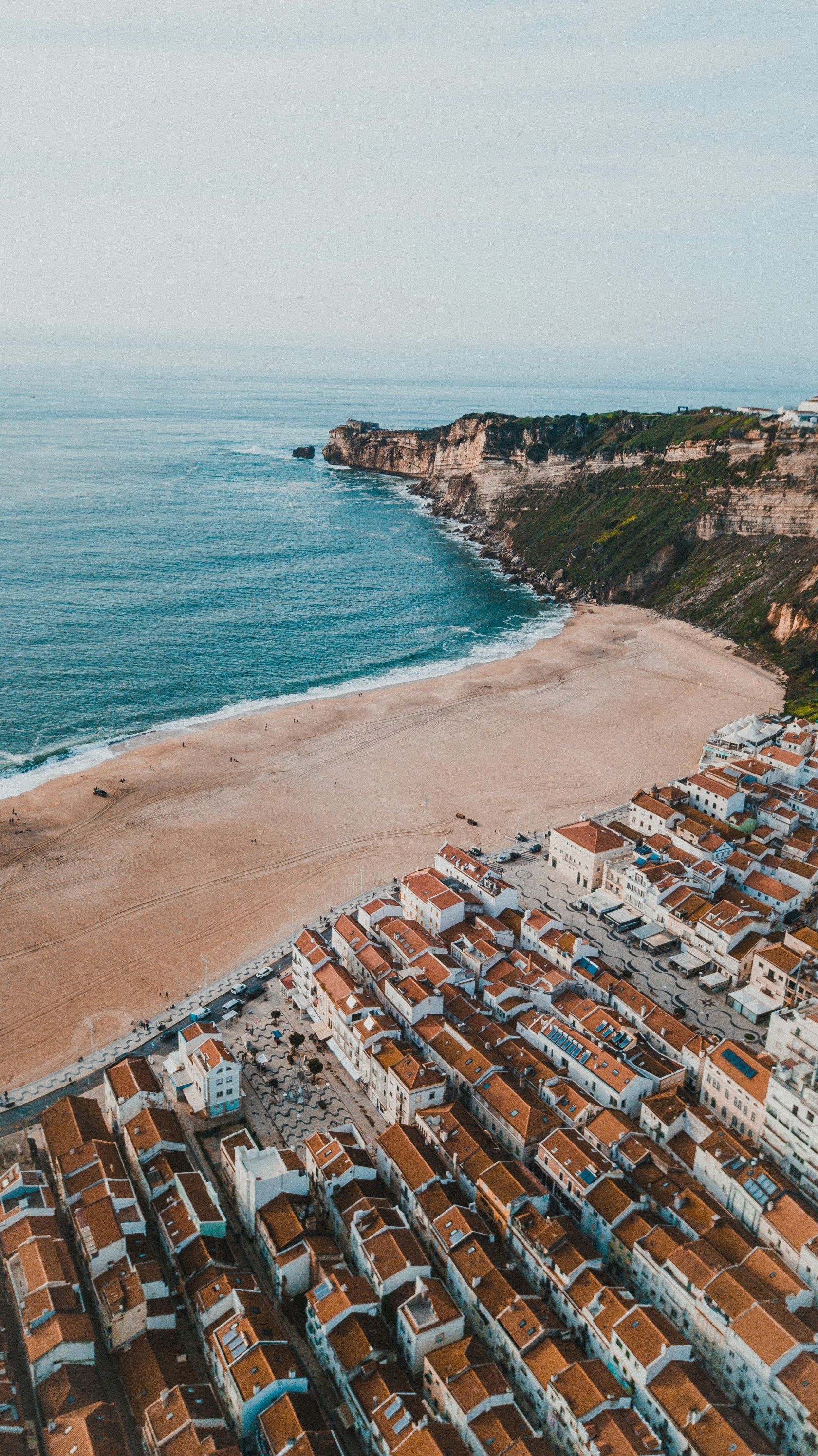
Portugal is still considered one of the more affordable countries in Western Europe, but where you live makes a big difference to how much you spend each month. Lisbon, Porto, and much of the Algarve have become significantly more expensive in recent years, particularly for housing. For expats and remote workers who are free to choose where they live, moving away from the main coastal cities can reduce living costs considerably.
Reason for remaining cheap
Housing is the main reason some parts of Portugal remain far cheaper than others. Prices in Lisbon are now among the highest in the country, and rental costs in popular coastal areas have also risen due to tourism and international demand. Inland regions, particularly in the North, Central and Alentejo, tend to reflect local salary levels, which are lower, and this keeps rents and property prices more affordable.
This has created a noticeable divide. In Lisbon, even a small apartment can cost well over 1,000 euros per month. In some inland cities, a similar sized property may cost between 300 and 500 euros. For expats earning foreign salaries or working remotely, that difference can completely change a monthly budget.
Important distinction
There is, however, an important distinction between very small villages and smaller cities. Villages may be extremely cheap, but they often have limited public transport, fewer services and sometimes less reliable internet connections. For many expats and remote workers, smaller regional cities are a more practical option. These places usually have hospitals, schools, shops and administrative services while still offering much lower housing costs than the major cities.
In the interior North region, districts such as Bragança and Vila Real are often among the cheapest areas in mainland Portugal. Inland parts of the Central region, including Castelo Branco and Guarda, also tend to have low rents. In the Alentejo, cities such as Beja and Portalegre are frequently mentioned as some of the most affordable places to live.
Bragança, in the northeast of the country near the Spanish border, is often identified as one of the most affordable cities in Portugal, particularly for housing. Despite its remote location, it functions as a district capital with a hospital, higher education institutions and a full range of everyday services. The main drawback is the distance from major airports and larger cities, which can make travel more time-consuming. Winters are also colder than on the coast, which can increase heating costs slightly, although overall living expenses remain low.
Further south, Guarda and Castelo Branco offer similar advantages. Both cities serve as regional administrative centres and provide the services needed for daily life, including healthcare, education and retail. Rental prices are typically much lower than in Lisbon, Porto or the Algarve, and larger apartments remain relatively affordable compared with the main metropolitan areas.
In the Alentejo region, Évora and Beja are often highlighted as lower-cost alternatives to coastal cities. Évora is slightly more expensive than some inland cities because it is a university city and a historic centre, but it is still significantly cheaper than Lisbon and most of the Algarve. Beja, which is smaller, tends to have even lower rental prices. One practical factor in the Alentejo is transport, as many areas are easier to manage with a car, which should be included when calculating monthly living costs.
For expats
For expats who prefer a larger city but still want to keep costs lower than Lisbon or Porto, Coimbra and Braga are often seen as good value options. Both cities have universities, good infrastructure and more active social and professional environments than smaller inland cities. Rental prices are generally lower than in Lisbon and Porto, though higher than in the cheapest inland areas. For many remote workers, these cities offer a balance between affordability and quality of life.
The difference in living costs between Lisbon and some inland cities can be substantial, largely due to housing. In some cases, monthly living expenses in inland cities may be significantly lower than in the capital. For families, the difference can be even more noticeable, as larger apartments in inland cities can still cost less than small apartments in Lisbon.
The cheapest may vary
The cheapest place to live in Portugal will not be the same for everyone. Access to transport, healthcare, schools and community all play a role in deciding where to live. For expats and remote workers, the decision is often about balancing affordability with lifestyle and practical considerations rather than simply choosing the lowest rent on the map.








 English
 Nederlands
 Deutsch
 Français
 Español
 Italiano
 Svenska
 Pусский
 中文
中文 Türkçe
 Português
 Polski
 عربي
عربي Suomi
Suomi עִברִית
 Português (Brasil)
Economics state that the price of Oil will be high into the year 2027, all fuel prices will only go up. The math is simple. For every day the war in Iran has been going on, add the same amount of days for those production facilities to go back online and get upto scale production, a lot of energy infrastructure is being hit on both sides in the middle east, and I predict it will be years until we stop feeling the lasting effects of high fuel, and energy costs from this war. The EU is using their strategic fuel reserves too soon, and not taking this crisis serious enough. It, like every other country will need to refill their strategic oil reserves at the same time in a couple of months, and because it's essential they cannot afford to wait for the price to go lower which means they have to buy high keeping the price high for all the little people for a long time.
If jet fuel prices go any higher(they are +50.00% in2 months), it will run the risk of economic collapse due to Airlines stopping mass transit to the EU for the summer season due to soaring cost, and lack of return fuel availability, and Portugal, and any country like it that relies on tourism for income will be one of the first to feel the impact, and sadly the hardest hit.
This situation is out of control, yet the government is happy to keep the gas tax on, they take 65% of our money we pay for fuel at the pumps, and claim they understand our daily problems? We have the ability to fix the problem, but the government just wants to bleed it's citizens dry, and think us stupid, rather than the tax, or capping it at 15% like any other country. If they were to do this even now, no-one would be paying more than 1.50L of gas in PT. We have to wake up sheeple.
By A concerned Citzen from Algarve on 03 Apr 2026, 21:01