

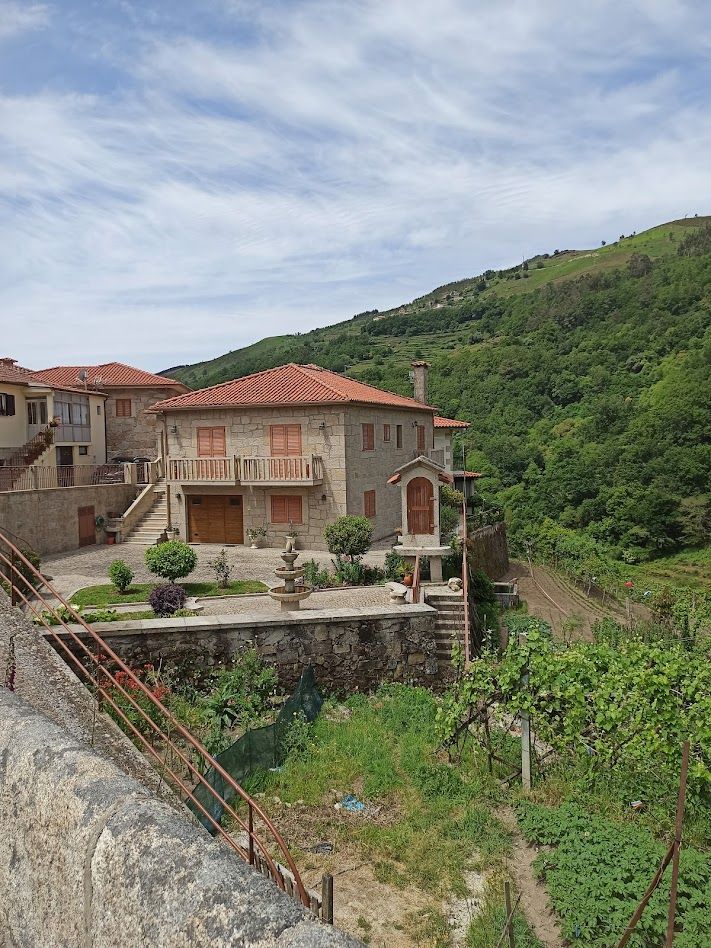
If you drive from the Algarve through the quiet Alentejo and up to Lisbon or Porto, you’ll notice the big differences between regions. And beyond the big cities and well-known spots, there are small villages all across the country that many people never think to visit.
Talasnal: A Village with one resident
This tiny but beautiful village lies in central Portugal. Talasnal houses are almost entirely built from schist (xisto), a dark, slate-like stone abundant in the Serra da Lousã mountains. Talasnal is part of the 27, known as "Aldeias do Xisto" (Schist Villages) in Central Portugal, characterised by a uniform, rustic aesthetic.
But like many other mountain communities, Talasnal was hit hard by rural exodus in the 1950s and 1960s. People left for jobs, schools, and services in cities and abroad, and houses in Talasnal slowly began to empty.
Today, only one person lives here year round. His name is Jorge, and he’s usually at the local bar, O Curral, greeting hikers and visitors.
Near the village, walking trails run through the forest, and it is not uncommon to see deer, wild boar, and other animals here.
Monsanto: The village of stones
Monsanto feels like a place out of time. Giant granite boulders shape the village — houses squeezed between stones, narrow streets, steep stairways, and every corner with a little surprise. Chickens wander the streets, laundry flaps in the breeze, and cats sun themselves on warm rocks.
In 1938, Monsanto was named the “Most Portuguese Village in Portugal,” and it has a life all its own. You can see centuries-old traditions in its festivals and old buildings. The “Island Hills” — huge granite formations — are part of the UNESCO Geopark Naturtejo, a reminder of the village’s unique landscape.
For fans of fantasy, parts of House of the Dragon — the Game of Thrones prequel — were filmed here.
Marvão: Up on the hill
Near the Spanish border is the town of Marvão. It sits high on a hill, and the drive up is long and winding. At some point, you might wonder if there’s anything at the top.
When you arrive, you find a small, quiet village with white houses and narrow streets. Life is simple here; there are a few cafés, and it is peaceful – I will repeat myself, but again, you feel as if you have been transported to another century.
From the village walls, you can see far into the distance—fields, hills, and even into Spain. Most people stand quietly for a while, just looking out. It’s not a place where you feel the need to rush.
Inside the old fortifications of the Marvão Castle, you can wander almost alone in the early mornings, listening to the silence and imagining the history that shaped this place — from ancient battles between kings to centuries of everyday life.
The village’s stone houses have largely been repaired and preserved. Historic buildings and small museums give a real sense of the traditions here. And from the castle’s heights, the views stretch across the Serra de São Mamede and into neighbouring Spain.
Local culture shows up in festivals (like a traditional chestnut celebration), and in the friendliness of residents you meet along the way. Alongside the history, you’ll find hearty regional food and plenty of calm, timeless charm — the kind that makes Marvão feel like a hidden gem rather than a tourist spot.
Sortelha: One of Portugal’s most beautiful historic villages
There’s a village in Portugal that feels like something out of a storybook. One of the oldest villages in Portugal, Sortelha sits high on a hill in the Beira Interior region, surrounded by stone walls and narrow streets that haven’t changed much in centuries.
Up above, the 13th-century castle keeps watch over everything. From there, you can see hills in every direction you look.
In 2023, Sortelha was recognised by the World Tourism Organisation as one of the “Best Tourism Villages”. Visiting also gives you the chance to explore the nearby Serra da Estrela Natural Park, a UNESCO World Heritage site, making it a perfect blend of history, culture, and nature.
Sistelo and its captivating landscape
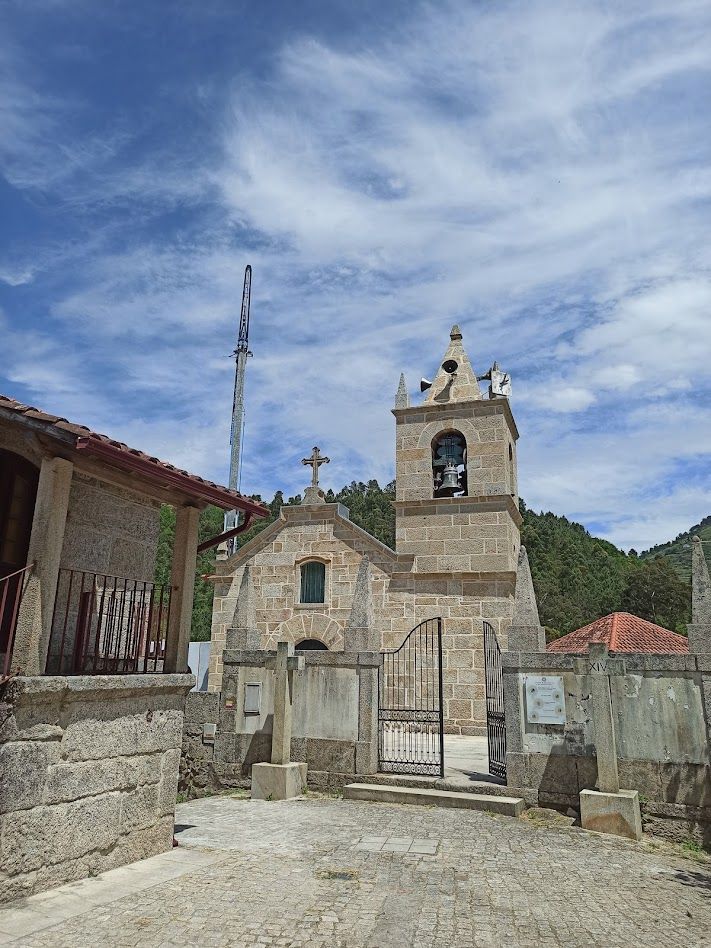
Sistelo, lies in Northern Portugal, within the Peneda-Gerês National Park. The village is also known as the “Little Portuguese Tibet” for its breathtaking “green stairways” - terraced fields that cascade down the hillsides. Sistelo’s terraces show how people have been farming for generations. These methods have been passed down over time and are still used today. By keeping these traditions alive, the village helps preserve Portugal’s rural heritage and shows a simple, sustainable way of working the land.
When I visited Sistelo, I was amazed by “espigueiros”. Standing on stone pillars, they look like tiny houses, but they are traditional granaries used mainly to store and dry corn, keeping it safe from moisture and animals. You’ll often see them lined up together, especially in northern Portugal.
Sistelo hasn’t gone unnoticed over the years. It was named one of the “7 Maravilhas de Portugal” in the Rural Village category and has also picked up a 5 Estrelas Regiões award. Even its landscape has special status, officially recognised as a Paisagem Cultural and a Monumento Nacional.
The quiet side of Portugal
These villages of Portugal are a reminder that not everything worth seeing is on the main map. If you’re craving a peaceful escape, far from the crowds and the rush of everyday life, these hidden spots are the perfect retreat.








 English
 Nederlands
 Deutsch
 Français
 Español
 Italiano
 Svenska
 Pусский
 中文
中文 Türkçe
 Português
 Polski
 عربي
عربي Suomi
Suomi עִברִית
 Português (Brasil)
The author has only succeeded in identifying highly commercialised tourist villages that are full of Airbnb rentals and other touris traps, not places of genuine rural charm that are actually lived in all year round.
By Billy Bissett from Porto on 19 Apr 2026, 09:28