

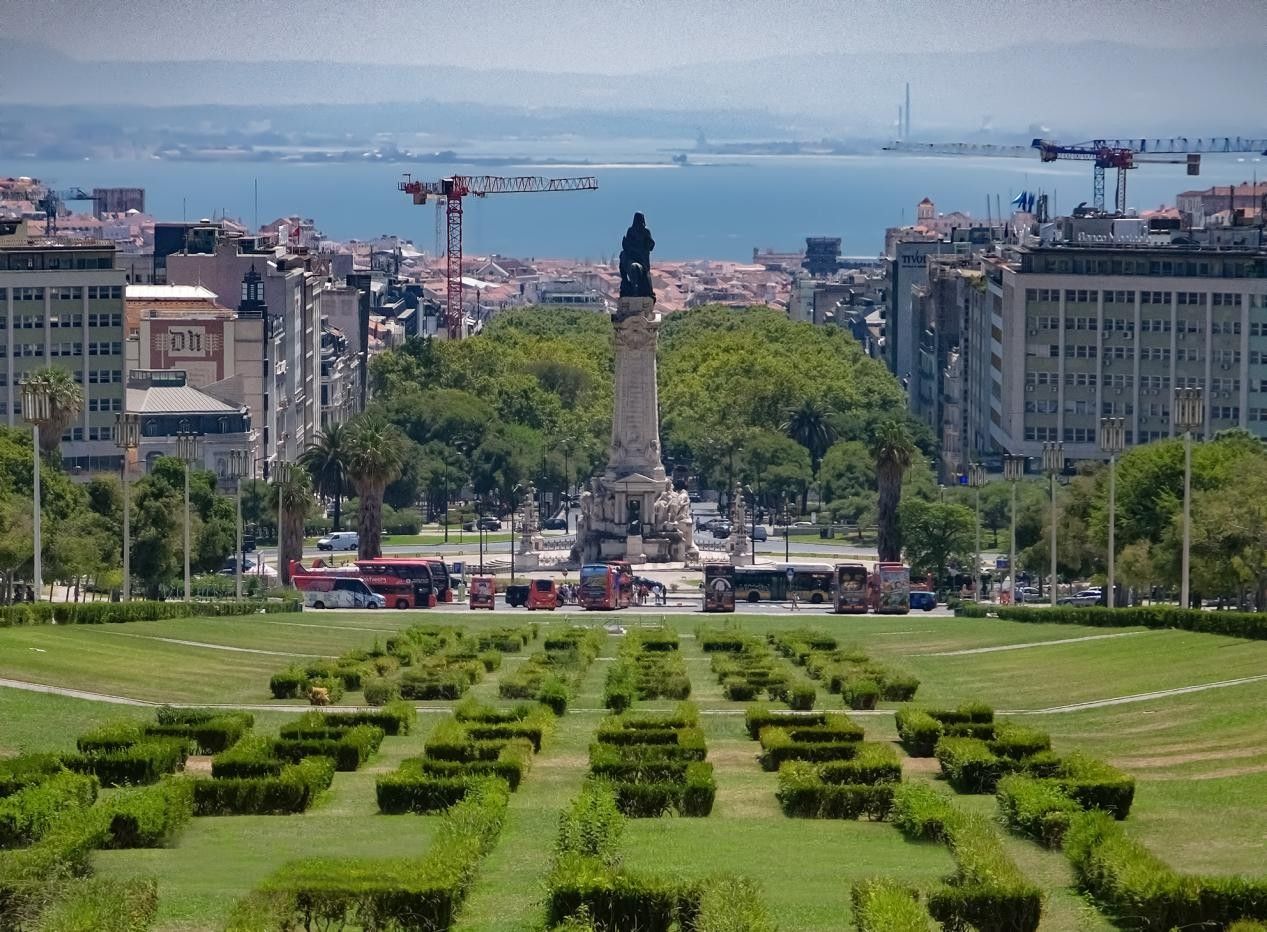
According to official data, national housing prices rose by 17.6% year-on-year in 2025, marking the largest increase on record. At the same time, total real estate transaction volume grew by more than 20%, reflecting sustained market activity. Against a backdrop of tight supply-demand conditions, upward pressure on prices remains evident.
Beyond price growth, however, a deeper structural shift is underway — the market’s core driver is gradually moving from transactions to usage.
Research indicates that Portugal’s housing supply remains constrained, while demand continues to rise, driven by both domestic households and international inflows. This structural imbalance is increasingly positioning real occupancy demand as the key foundation of the market.
Expanding Rental Market and the Rise of Stable Demand
As property prices outpace income growth, the importance of the rental market continues to increase.
Driven by urban mobility, a growing international student population, and the rise of remote work, renting is becoming a more common and practical housing solution. This trend is particularly evident in cities with strong educational ecosystems, where rental demand tends to be both stable and persistent.
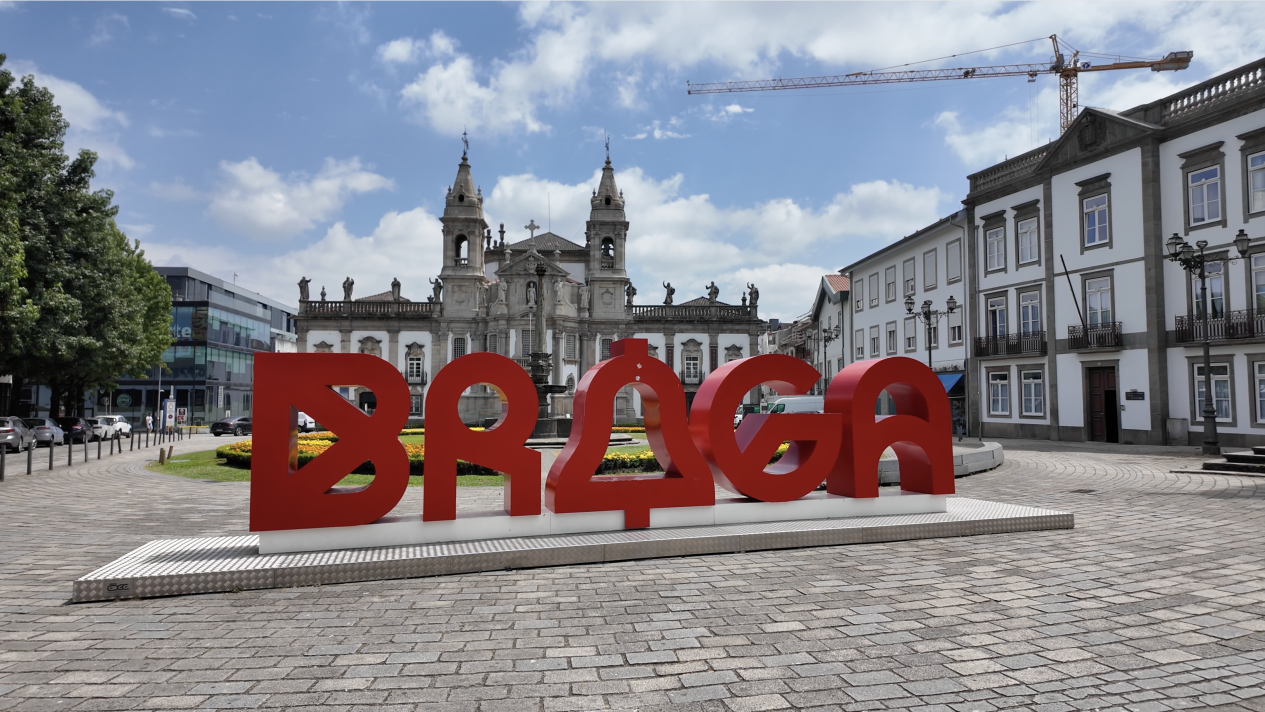
Take Braga as an example. This northern Portuguese city has attracted a growing population of students and young professionals in recent years. The continued expansion of University of Minho has kept demand for housing and student accommodation consistently high, while the supply of quality rental units remains relatively limited.
In this context, market focus is gradually shifting. Rather than short-term price movements, an asset’s ability to generate stable and continuous rental income is becoming a more reliable indicator of value.
From Transactions to Operations
As the rental sector expands, the nature of real estate itself is evolving.
Across Portugal and other European markets, a growing share of housing is being held for long-term rental, extending holding periods and increasing the importance of ongoing management. This shift has led to rising demand for services such as tenant sourcing, property maintenance, and lease administration.

At the same time, professionally managed rental operations are becoming more prevalent. Some properties are now operated under centralized management structures, where standardized processes help improve occupancy rates and reduce vacancy risks.
Under this model, real estate is no longer viewed purely as a transactional asset, but increasingly as an operational asset. Approaches built around stable tenant demand and consistent management are becoming a common feature of the market.
Projects Built Around Demand
Against the backdrop of growing rental demand, a category of residential developments designed around stable tenant groups is gaining attention.
In Braga, for instance, some developments are strategically located near university hubs, leveraging the steady flow of students from University of Minho to ensure consistent occupancy. These projects often adopt a more residential-style design, with features such as private kitchens, full bathrooms, and shared amenities, catering not only to students but also to young professionals and remote workers.
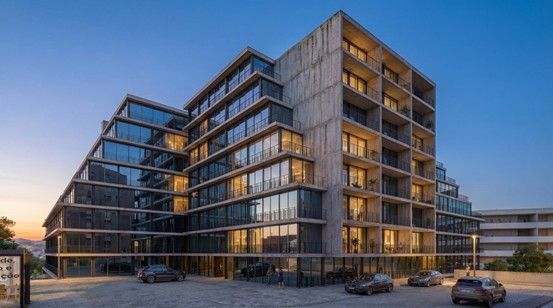
This model is becoming increasingly common locally. For example, certain student accommodation projects developed by Alameda de Lisboa are positioned around university areas and incorporate centralized planning and post-completion management to enhance rental efficiency. These developments typically integrate operational frameworks where professional teams handle leasing, maintenance, and day-to-day management, with some also adopting managed rental or guaranteed lease structures to further stabilize occupancy.
Within this framework, property management is emerging as a key component of project design, enabling rental-focused assets to better adapt to sustained market demand.
As supply-demand dynamics continue to shape the market, asset types built around stable rental demand and professional operational capabilities are increasingly becoming a defining direction within Portugal’s real estate landscape.






 English
 Nederlands
 Deutsch
 Français
 Español
 Italiano
 Svenska
 Pусский
 中文
中文 Türkçe
 Português
 Polski
 عربي
عربي Suomi
Suomi עִברִית
 Português (Brasil)