

Remember those cosy moments when you selected a vinyl LP and found yourself immersed in a flood of glorious high fidelity stereo sound?
The distinctive smell of warm circuitry reminded us that our Hi-Fi systems weren’t merely objects but a way of life. They sat in living rooms, like altars to sound, shrines of brushed alumin-ium and walnut veneer. This was the golden age of high fidelity, when music wasn’t something we streamed absent-mindedly while emptying the dishwasher. Playing music was an event. Listening to a record was a performance in which we, the listeners, were both audience and conductor.
An appetite for perfection
The story often began with obsession. Post-war prosperity in the 1950s and 60s gave rise to a generation with both disposable income and an appetite for technical perfection. Companies like Quad, Leak and McIntosh began producing amplifiers that weren’t merely functional but aspirational. Meanwhile, turntables from Garrard and Thorens elevated vinyl playback into a high-quality, tactile experience. Of course, this experience included the vinyl records themselves. The 12-inch LP didn’t just hold music; it brought us tangible engagement. In those days, we couldn’t skip tracks with the lazy flick of a thumb.
No, we had to stand up, cross the room and carefully place the stylus in the groove.
Albums became journeys. We listened to all of “The Dark Side of the Moon” not because we had to, but because it was unthinkable not to. By the 1970s, Hi-Fi culture had become a full-blown phenomenon. Specialist magazines dissected equipment with the forensic intensity of a pathologist. Words like “soundstage,” “imaging,” and “warmth” entered the lexicon of ordinary people. There were arguments, ferocious, friendship-ending arguments about whether Japanese engineering from The Pioneer Corporation or Technics could ever match the supposedly superior “musicality” of British separates. The stuff of Anoraks!
Remember separates? These were the true hallmarks of a Hi-Fi boffin. These weren’t the all-in-one “music centre” that your aunt bought from her catalogue. No, a proper Hi-Fi system consisted of distinct components. A turntable, an amplifier, a tuner, a cassette deck, and good-quality speakers. Each item was chosen with the care of a sommelier selecting fine wines. Cables alone could provoke debate. Was oxygen-free copper worth the extra money? Could you really hear the difference, or were you simply the victim of an expensive placebo? Spoiler ALERT! Yes, but also no.
Then came the formats. If vinyl was the romantic lead, cassette tapes were the scrappy understudy who somehow stole the show. Introduced in the 1960s and perfected in the 70s and 80s, the compact cassette, championed by Philips, made music portable. Suddenly, we could create mixtapes which were deeply personal compilations that said everything we couldn’t quite articulate by words alone. Entire relationships were forged and destroyed over the contents of a TDK D90.
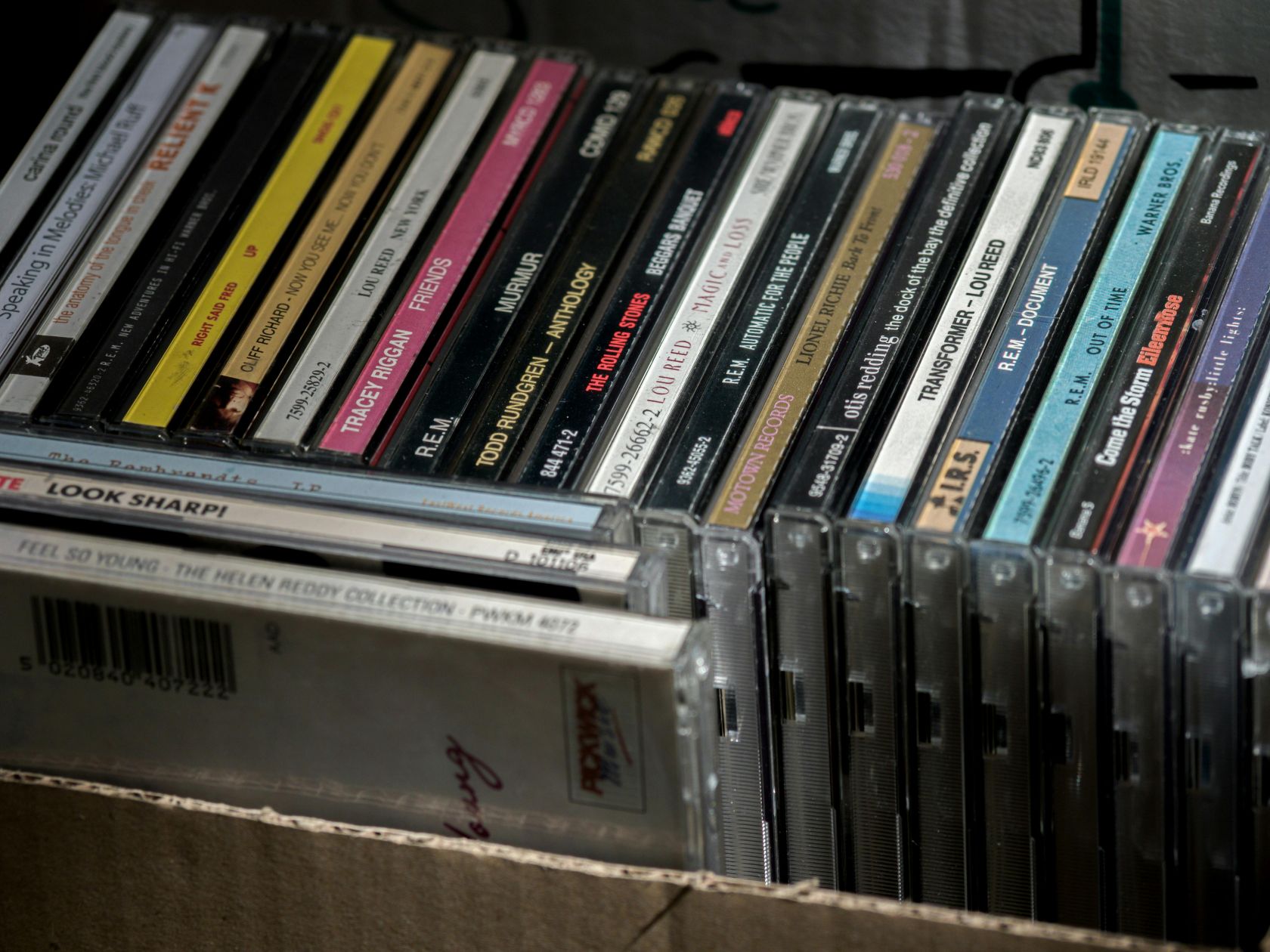
And just when you thought things couldn’t get more futuristic, along came the Compact Disc in the 1980s.
Developed by Sony and Philips, the CD promised perfect sound forever. No hiss, no crackle and none of the rituals associated with vinyl. Just pristine, almost excessively clinical audio that either liberated music from its analogue imperfections or stripped it of its soul, depending on which side of the argument you occupied. Early adopters proudly displayed their CD players like trophies, often alongside the venerable turntable they swore they would never abandon.
Rituals
The culture surrounding Hi-Fi was as fascinating as the equipment itself. Listening wasn’t passive; it was a full-on activity. Friends would gather, not to talk over the music, but to sit in reverent silence as an album played through. The positioning of speakers was a science bordering on black magic. Move them an inch too far apart, and the entire sonic image collapsed. If you sat in the “sweet spot”, you could almost convince yourself that Led Zeppelin was performing live in your living room.
Of course, there were excesses. The Hi-Fi boom gave rise to a certain type of enthusiast. The nerdy boffins who spent more time adjusting equipment than actually listening to music. These were the people who would invite you over, insist you sit dead centre between the speakers and then play the same three tracks to demonstrate the “improvement” made by their latest £300 interconnect cable. Embarrassingly, the ordinary ear heard absolutely no difference, but we went along with it, just to be polite.
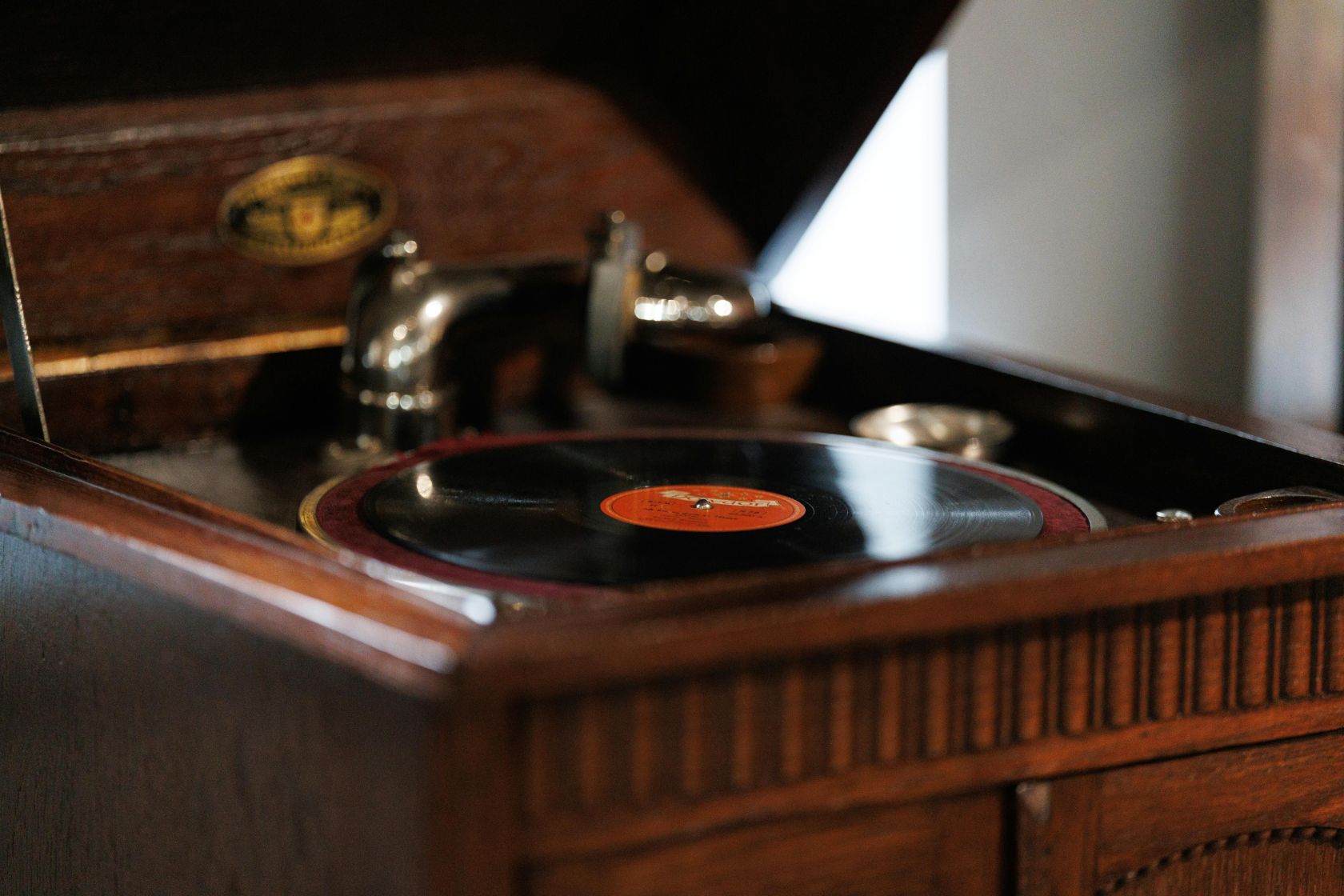
And then, the decline began. The 1990s brought convenience. The MiniDisc flickered briefly into existence before vanishing like a technological mirage. MP3s arrived, followed by Nap-ster. Suddenly, music became something you downloaded rather than experienced. The old rituals had gone, and the altar gradually crumbled away.
An infinite stream
The 2000s delivered the final blow. The iPod turned entire record collections into pocket-sized commodities. Streaming services finished the job, reducing music to an infinite, intangible stream. Why spend thousands on a meticulously curated Hi-Fi system when a smartphone and a pair of wireless earbuds could deliver millions of songs instantly? The answer, for most people, was simple. You wouldn’t.
And so, the Hi-Fi system faded from prominence, relegated to the homes of die-hard enthusiasts and nostalgic collectors. Yes, vinyl has enjoyed a modest resurgence, and there still remains a market for high-end audio equipment. But the cultural moment has passed. In most homes, the Hi-Fi system is no longer the proud centrepiece. These days, it’s a niche.
Frankly, I don’t think it will ever come back, because old-style Hi-Fi systems required something modern life refuses to provide. Time, patience and our undivided attention. The golden age of Hi-Fi demanded that we sit down and listen. I mean, really listen to the entire musical experience. It asked you to engage, to care, to invest not just money but focus.
Today, in an era of endless distractions, that might prove to be too much to ask.
You see, Hi-Fi systems didn’t just play our favourite music. They taught us how to really hear it and to appreciate it in high-quality Hi-Fi sound. These days, we may have gained convenience, but we’ve undeniably lost something along the way. I’m no boffin, but I’ve never been able to fully appreciate listening to music through earbuds. For the full experience, I need a decent Hi-Fi. They come from an era that left an impression on me. It’s ingrained. So a classic Hi-Fi system still takes pride of place in the corner of my lounge. I’d sooner ditch the TV if ever I faced that choice.








 English
 Nederlands
 Deutsch
 Français
 Español
 Italiano
 Svenska
 Pусский
 中文
中文 Türkçe
 Português
 Polski
 عربي
عربي Suomi
Suomi עִברִית
 Português (Brasil)