

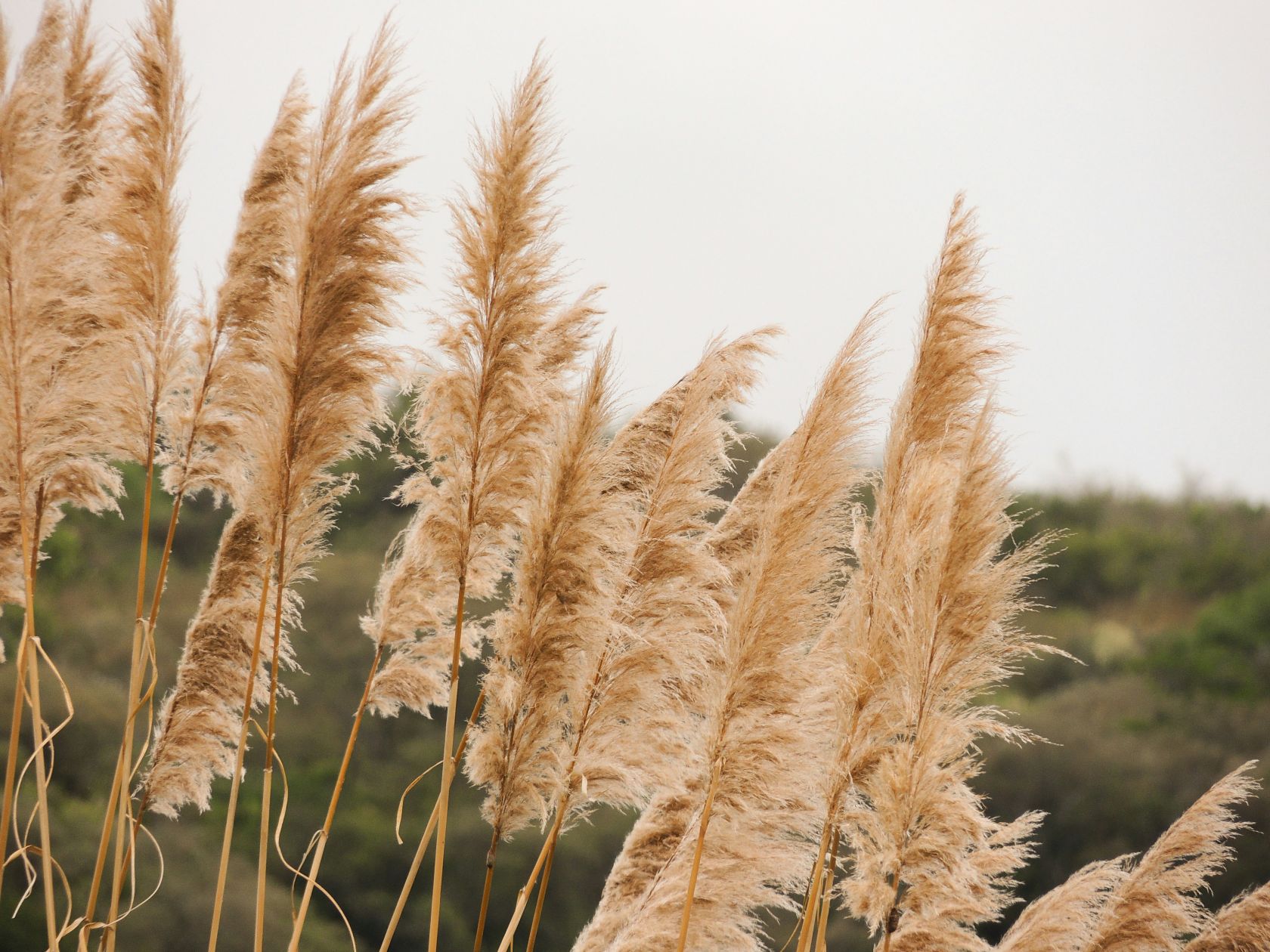
The decision was made last Friday during the Intermunicipal Council meeting of the Intermunicipal Community of the Algarve (AMAL), an association that brings together the 16 municipalities of the Faro district, according to a statement from the entity.
According to AMAL, ‘Cortaderia selloana’, known as pampas grass, is one of the most widespread invasive species in Portugal, causing “negative impacts on tourism due to the degradation of natural landscapes, requiring control measures with high economic costs”.
Originating from the temperate regions of South America, the plant, which can reach three meters in height, “causes allergy problems and prevents the development of native vegetation,” says the association of Algarve municipalities.
The proliferation of the plant also causes “the loss of habitat connectivity for fauna and reduces the productivity of pastures and forests,” the statement reads.
To stop the spread of the species, AMAL will join the “Life Coop Cortaderia” project, seeking to strengthen the knowledge and technical resources of municipalities and other entities in controlling the invasive plant, the intermunicipal entity emphasises.
The strategy foresees the sharing of tools and knowledge to improve the effectiveness of control, surveillance, and early detection actions for this invasive species.
The project currently brings together more than 180 partner entities from Portugal, Spain, and France, involved in awareness-raising initiatives, early-detection monitoring, and the eradication of invasive species.






 English
 Nederlands
 Deutsch
 Français
 Español
 Italiano
 Svenska
 Pусский
 中文
中文 Türkçe
 Português
 Polski
 عربي
عربي Suomi
Suomi עִברִית
 Português (Brasil)
As a biologist and nature conservationist this is obvious, and I am a big proponent of eradicating invasive species wherever they occur.
However, it is just surprising to me that Portugal and its regional governments permitted the massive planting of eucalypts across the entire country and which has caused much great damage to native plants and animals than anything Pampas grass can ever do.
Eucalyptus covers roughly 845,000 hectares in Portugal, the most common tree species in the country, imported from Australia. This accounts for about 10% of the national land area and is over a quarter (26%) of the country's forested land. Proportionately, this is the largest land area planted with eucalyptus in the world.
It has severely impacted other native plant species, cut off animal and plant genetic movement and has made the Portuguese landscape far more susceptible to wide-ranging fires. It also requires large amounts of groundwater, which brings its own set of challenges as it drains natural wetland areas, which support greater biodiversity of any habitat.
I think
By Tony Williams from Other on 17 May 2026, 14:50
Tony, I totally agree. The reason why eucalyptus forests are allowed and not eradicated - money. Powerful landowners and income from tree products will stop these trees from being eradicated. Out of curiosity what would you plant instead?
Best regards
DAvid
By David Clark from Algarve on 18 May 2026, 09:29