

The international study, led by researchers from the Department of Life Sciences at the Faculty of Sciences and Technology of the University of Coimbra (FCTUC), detected "microplastics and chemical compounds associated with the production of plastics (additives)," some of which are recognised as endocrine disruptors (which interfere with the hormonal system).
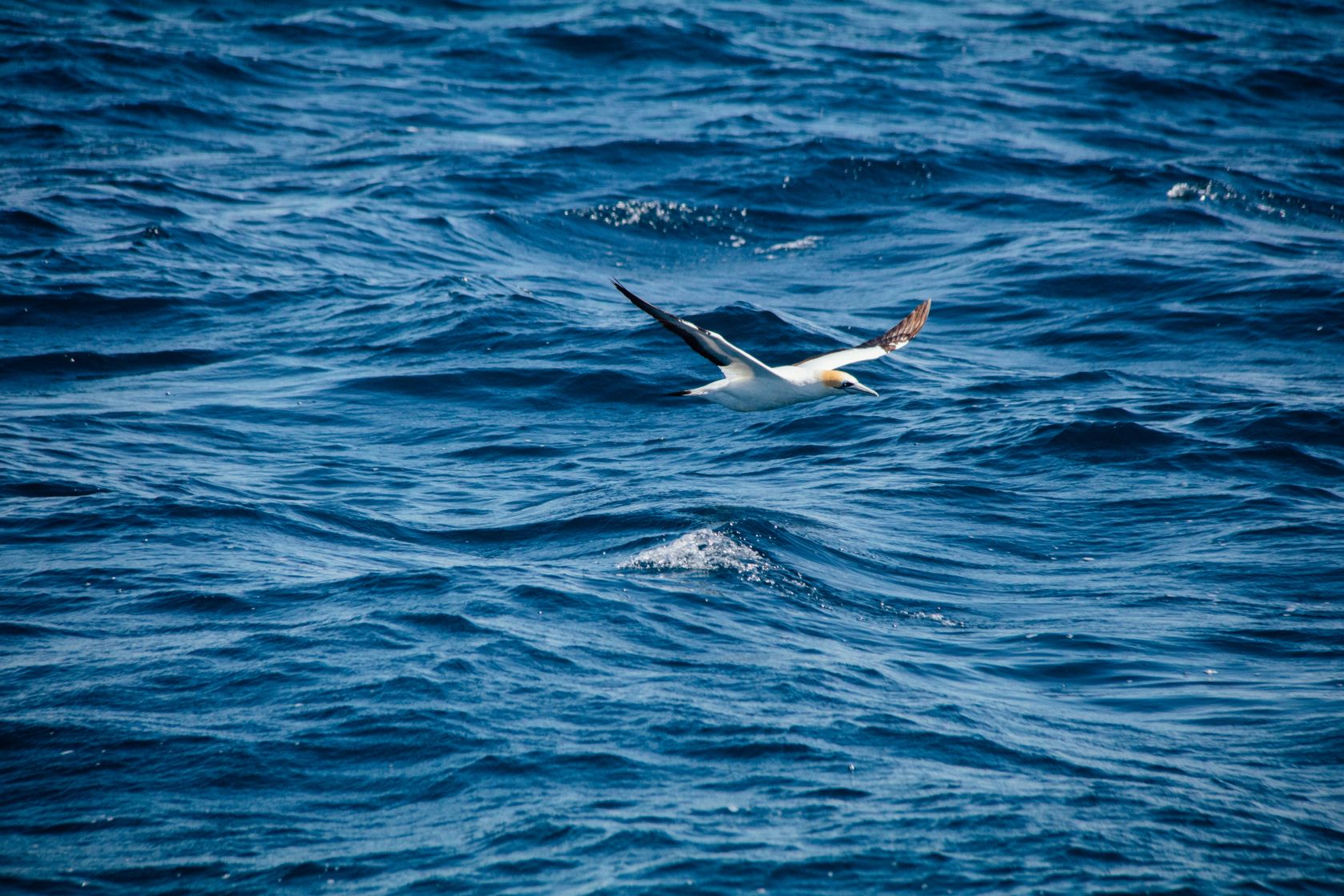
Researchers analysed seven species of subantarctic seabirds, some of which are classified as vulnerable or endangered.
In total, 1,275 particles resulting from human activity were identified in the gastrointestinal tracts of the animals analysed, with an average of about 17 particles in each.
Joana Fragão, a PhD student in Biosciences at FCTUC and the British Antarctic Survey (United Kingdom), explained that "the analyses revealed that most of the particles identified were of synthetic origin (59%), particularly plastic."
"Particles of natural origin, such as cellulose and cotton, but of industrial origin, were also found, and may contain additional compounds, such as dyes, that can persist in the environment."
The study also analysed the presence of compounds with potential endocrine-disrupting activity in the liver and muscle of the birds.
Study co-author Filipa Bessa emphasised that “the results show the simultaneous presence of microplastics and these compounds in seabirds from remote regions, although a direct relationship between the two has not yet been established, nor have their biological effects been evaluated.”
Despite this, these data “contribute to a better understanding of the exposure of marine fauna to different types of pollutants.”
The researchers advocated for the need to “strengthen international measures aimed at reducing marine pollution and protecting biodiversity.”
The creation of “monitoring programs for plastics and chemical contaminants, even in ecosystems considered isolated,” is one of the measures they consider important.






 English
 Nederlands
 Deutsch
 Français
 Español
 Italiano
 Svenska
 Pусский
 中文
中文 Türkçe
 Português
 Polski
 عربي
عربي Suomi
Suomi עִברִית
 Português (Brasil)
Sadly no surprise to me. Micro and nano-plastic particles are everywhere on the planet now and in us! Marine life, including seabirds, are forced to eat fish that contain plastic, many sea creatures swallow plastic mistaking it for food. Many swallow particles of it when they suck in water. Whales, turtles and other marine animals die because of this. 'Far off' parts like the polar regions are contaminated with plastic pollution because it is carried by the tides and ocean currents, and nano-plastics are carried in the air. They are like dust. Many sea creatures, including birds like albatrosses are eating plastic because we have caused a drastic reduction in their natural food. Overfishing is decimating stocks, but there is plenty of floating plastic in their place.
By Steve Andrews from Other on 11 May 2026, 08:59