

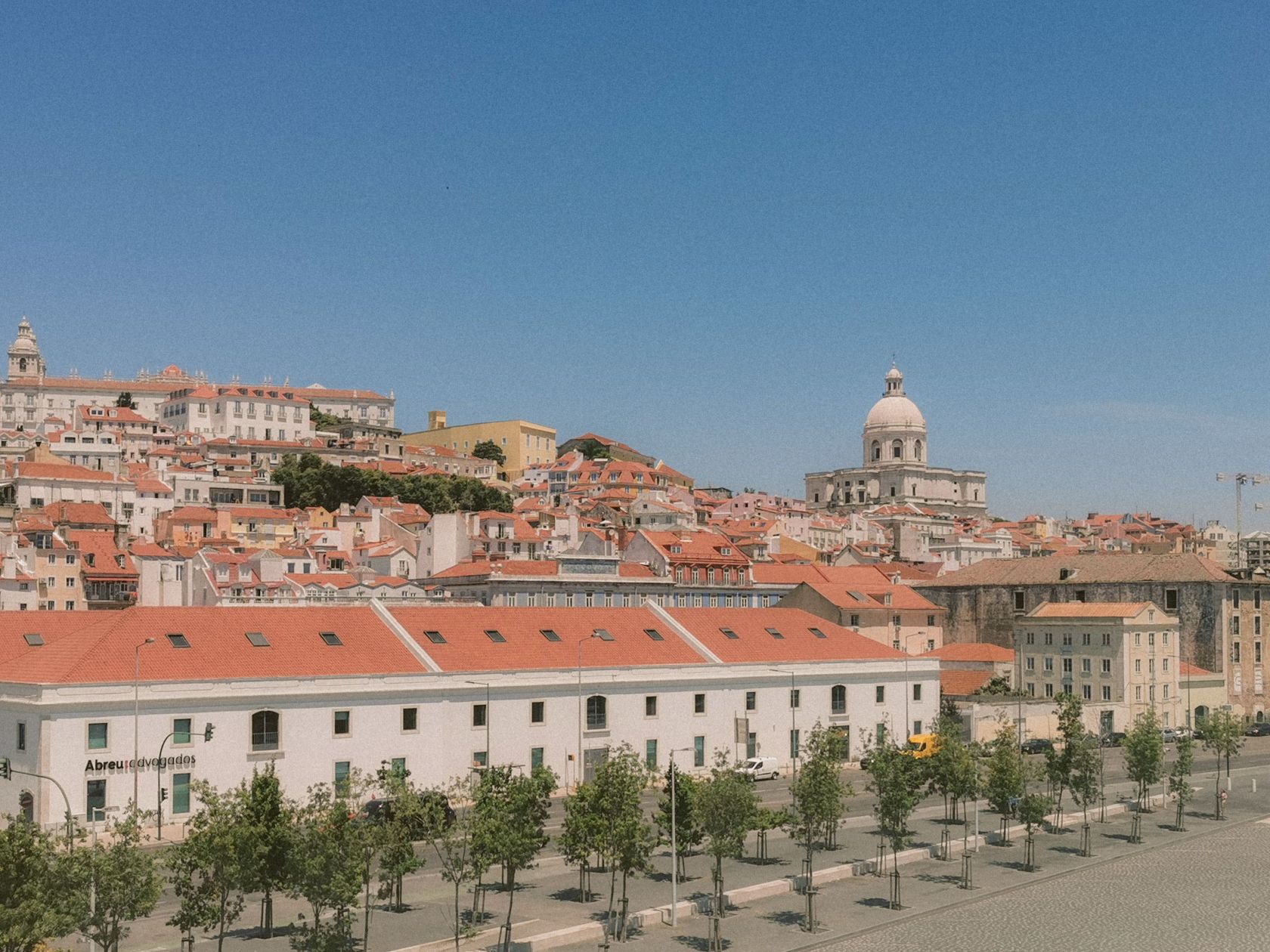
Over the past few years, I have written several times about the silent transformation that is happening in Portugal. We often talk about large international investments, data centres, artificial intelligence, renewable energy or technology companies that choose our country to grow. But there is a fundamental element of this ecosystem that sometimes goes unnoticed: the ability to create innovative companies from ideas developed by the Portuguese.
This is precisely what initiatives like the Startup World Cup help to promote.
When we look at the list of 50 companies selected, we find projects related to health, artificial intelligence, energy, sustainability, biotechnology, mobility, digital security, and financial services. These are areas that reflect the challenges and opportunities of the global economy in the years ahead. More importantly, they demonstrate that Portuguese innovation is not concentrated in a single sector, but extends to multiple areas of knowledge.
Many of these companies are still in the early stages. Some may never reach the scale their founders dream of. This is part of the reality of entrepreneurship. But that's not the most important point. The real value lies in creating an environment where ideas can be tested, pitched to investors, and turned into companies with international potential.
Portugal has spent many years hearing that its greatest asset is talent. I still believe that's true. But talent alone is not enough. It is necessary to create opportunities for this knowledge to be transformed into enterprises, skilled jobs, exports and innovation. This is precisely why events like this deserve to be applauded.
The possibility of representing Portugal in a world final in Silicon Valley is naturally important. So is the potential access to financing. But perhaps the most relevant aspect is another. These initiatives create visibility for projects that might otherwise remain unknown. They bring entrepreneurs closer to investors, connect universities to the market, and help create a culture of innovation that Portugal needs to continue evolving.
We also note the involvement of entities such as Caixa Capital, Unicorn Factory Lisboa, Startup Portugal, AICEP and several private companies. The development of an entrepreneurial ecosystem does not depend solely on the founders. This requires investors, mentors, universities, companies and public institutions that can collaborate.
At a time when Portugal is looking to position itself in the new digital economy, initiatives like the Startup World Cup are much more than a competition. They are a showcase of existing talent in the country and a sign that a new generation of entrepreneurs is ready to create global solutions from Portugal.
We often discuss what we are missing. Maybe we should also look more at what we are already building. Because Portugal's economic future will not only depend on the companies we attract here. It will also depend on the companies we can create here.
And when we see fifty Portuguese startups vying for an opportunity to reach the global innovation stage, we realise that there are reasons to believe that this future is already under construction.








 English
 Nederlands
 Deutsch
 Français
 Español
 Italiano
 Svenska
 Pусский
 中文
中文 Türkçe
 Português
 Polski
 عربي
عربي Suomi
Suomi עִברִית
 Português (Brasil)